
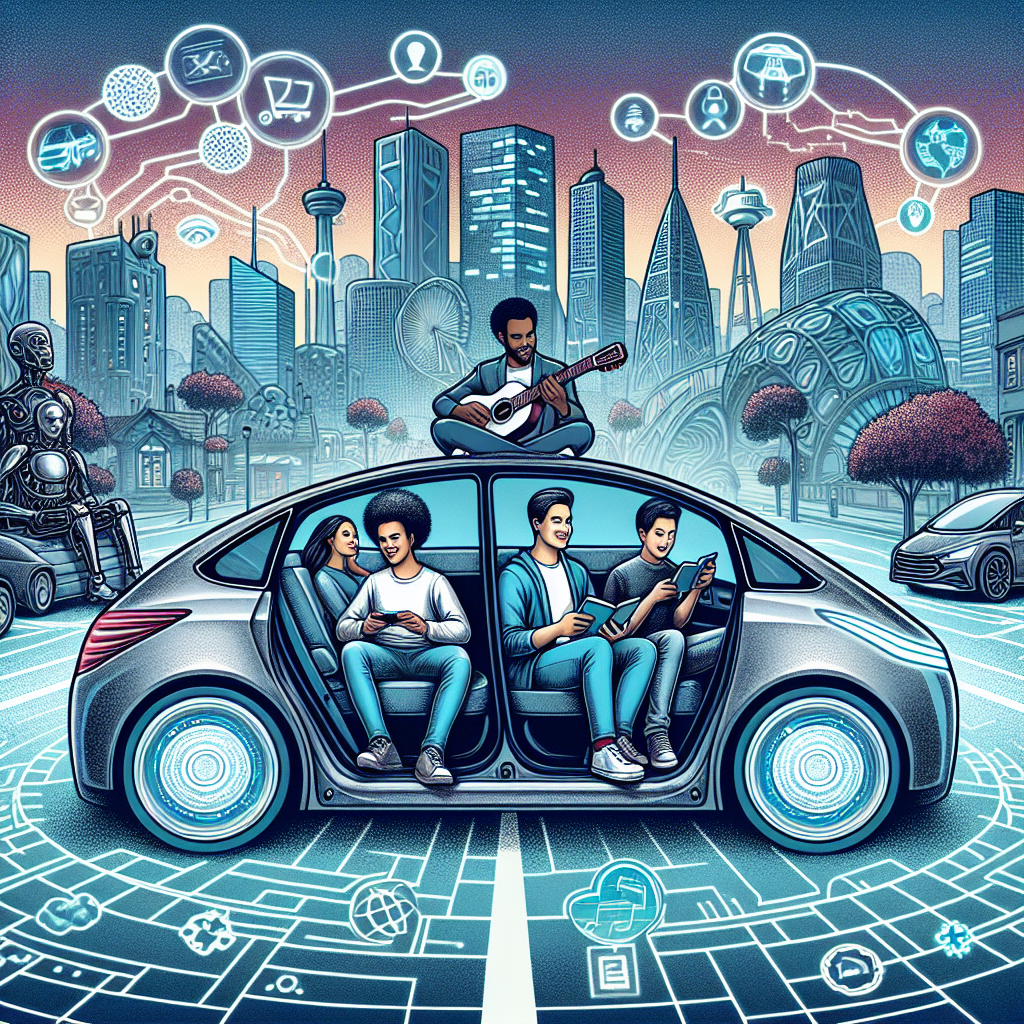
The advent of self-driving cars, also known as autonomous vehicles (AVs), is poised to revolutionize the way we commute. These vehicles, equipped with advanced sensors, cameras, and artificial intelligence, can navigate roads with little or no human intervention. While the technology is still evolving, the potential benefits are significant. Let’s explore the advantages that self-driving cars are expected to bring.
Enhanced Safety
Reduction in Traffic Accidents
- Human Error Mitigation: A vast majority of road accidents are caused by human error. Self-driving cars, governed by precise algorithms and constant sensor feedback, can significantly reduce these incidents.
- Predictive Analysis: AVs can predict and react to traffic conditions more efficiently than humans, potentially decreasing the number of collisions.
- 24/7 Operational Safety: Unlike humans, autonomous vehicles don’t get tired, distracted, or impaired, which means they can operate safely at all times.
Increased Mobility
Accessible Transportation for All
- Elderly and Disabled: Self-driving cars can provide independence to those who are unable to drive due to age or disabilities.
- Non-Drivers: Children and non-drivers can travel safely without the need for a human driver.
Traffic Efficiency
Smoother Traffic Flow
- Optimized Routing: AVs can communicate with each other and with traffic management systems to choose the most efficient routes, reducing congestion.
- Reduced Traffic Jams: By maintaining optimal speed and distance from other vehicles, self-driving cars can alleviate stop-and-go traffic.
Environmental Benefits
Lower Carbon Footprint
- Fuel Efficiency: Autonomous vehicles can optimize driving patterns for fuel efficiency, leading to reduced emissions.
- Support for Electric Vehicles: The integration of self-driving technology is particularly beneficial for electric cars, further promoting an eco-friendly transportation system.
Economic Impact
Cost Savings and Productivity Boost
- Lower Insurance Costs: With fewer accidents, the cost of car insurance is likely to drop.
- Decreased Healthcare Expenses: A reduction in traffic-related injuries can lead to savings in healthcare costs.
- Increased Productivity: Commuters can use travel time for work or leisure, increasing overall productivity.
Convenience and Comfort
Stress-Free Travel
- No Need for Parking: Self-driving cars can drop passengers off and park themselves, eliminating the need for parking space hunting.
- Relaxed Commuting: Passengers can relax, read, or sleep during their commute, arriving at their destination refreshed.
Table: Comparative Advantages of Self-Driving Cars
| Aspect | Traditional Cars | Self-Driving Cars |
|---|---|---|
| Safety | Prone to human error | Reduced accidents |
| Mobility | Limited for some demographics | Accessible to all |
| Traffic Efficiency | Subject to human behavior | Optimized traffic flow |
| Environment | Higher emissions | Potential for lower emissions |
| Economic Impact | Higher costs, less productivity | Cost savings, increased productivity |
| Convenience & Comfort | Requires active driving | Allows passive commuting |
In conclusion, self-driving cars offer a multitude of benefits that could significantly improve road safety, enhance mobility for a broader range of people, optimize traffic flow, contribute to environmental sustainability, have a positive economic impact, and increase the overall convenience and comfort of travel. As the technology continues to develop, it is important to address the challenges and ensure that the transition to autonomous vehicles is smooth and beneficial for all.